S p o n t a n e o u s A r c h i t e c t u r e a n d E n e r g e t i c S u s t a i n a b i l i t y
361
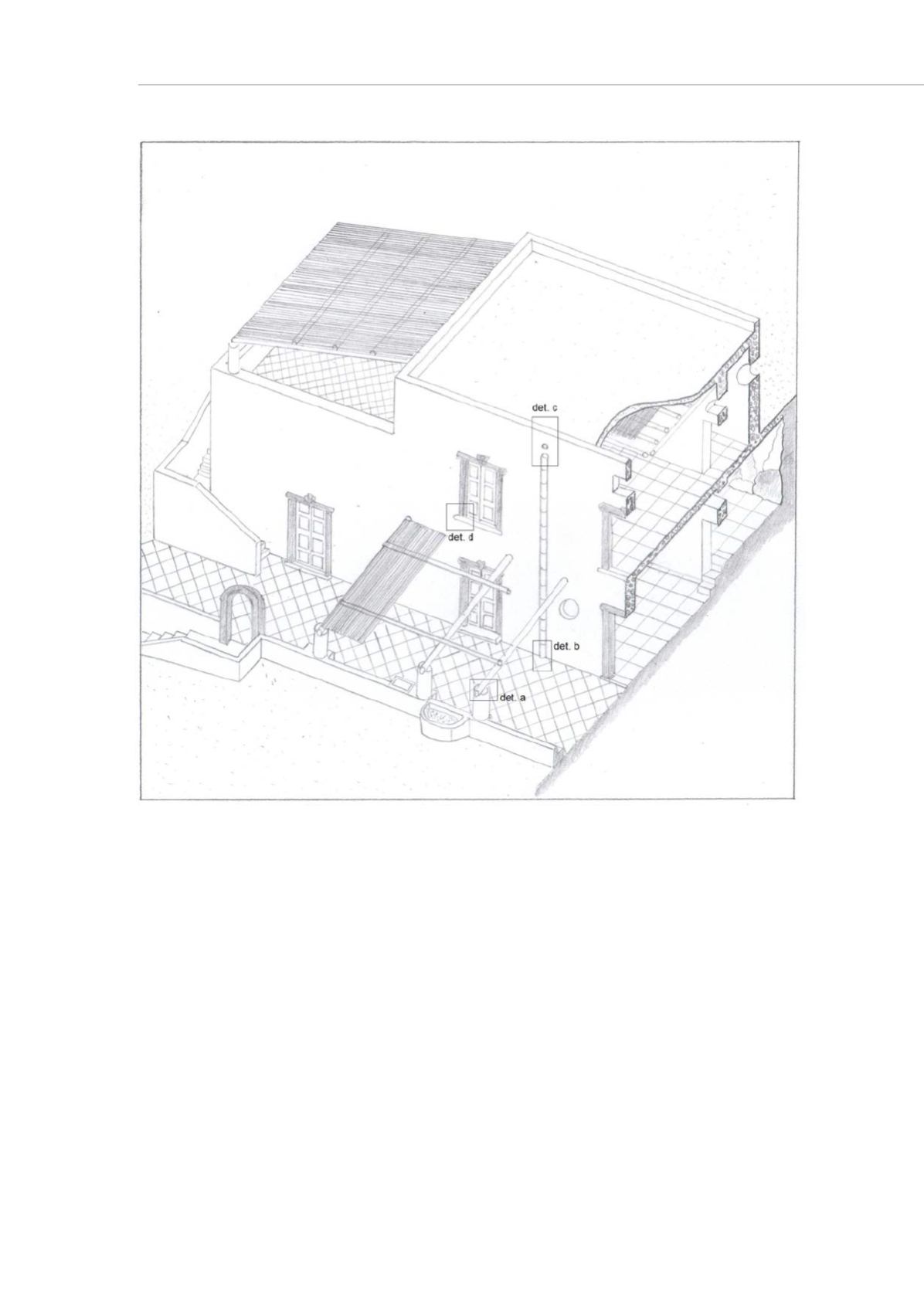
Figure 3: cutaway isometric of the Filicudian house chosen as study case.
bewaterproofed. A stronger beam (diameter 25 cm) is set up orthogonally to them, as a
cross-piece. The beams are walnut-tree trunks, roughly decorticated, so their section is
considerable tapered. A cane roofing is set up on the upper side, framed between the
wooden beams. The extrados is formed by a casting of lime putty and volcanic pumice,
15 cm thick; during the process of making it the mixture was beaten in order to
waterproof it (Polverino 1998; Polverino 1999). Frequently the rooms of the ground floor
are covered by a masonry vault, built with lava stones and lime. For this type of
construction they chose conical-shaped stones to arrange with the narrower lower part to
contrast each one, on the surface of a continuous wooden cast.
The finishing of the wall is a plaster of lime and volcanic sand, painted with lime milk, so
you have that the prevalent colour is white. The only different notes are the windows and
their lintels, shaped with the plaster, painted with a vivid tone (the predominant colours
are blue, cyan-sea, red-clay and green).
Due to the exorbitant transportation costs, they used local building materials. The only
imported ones were the lime, from Naples, and the wood and canes, from Calabria.
You can find the described building, with little variation, in the other island too. They
formed a built landscape largely different from one that you can find in the other parts of


