Z E M C H 2 0 1 2 I n t e r n a t i o n a l C o n f e r e n c e
326
a.
b.
c.
d.
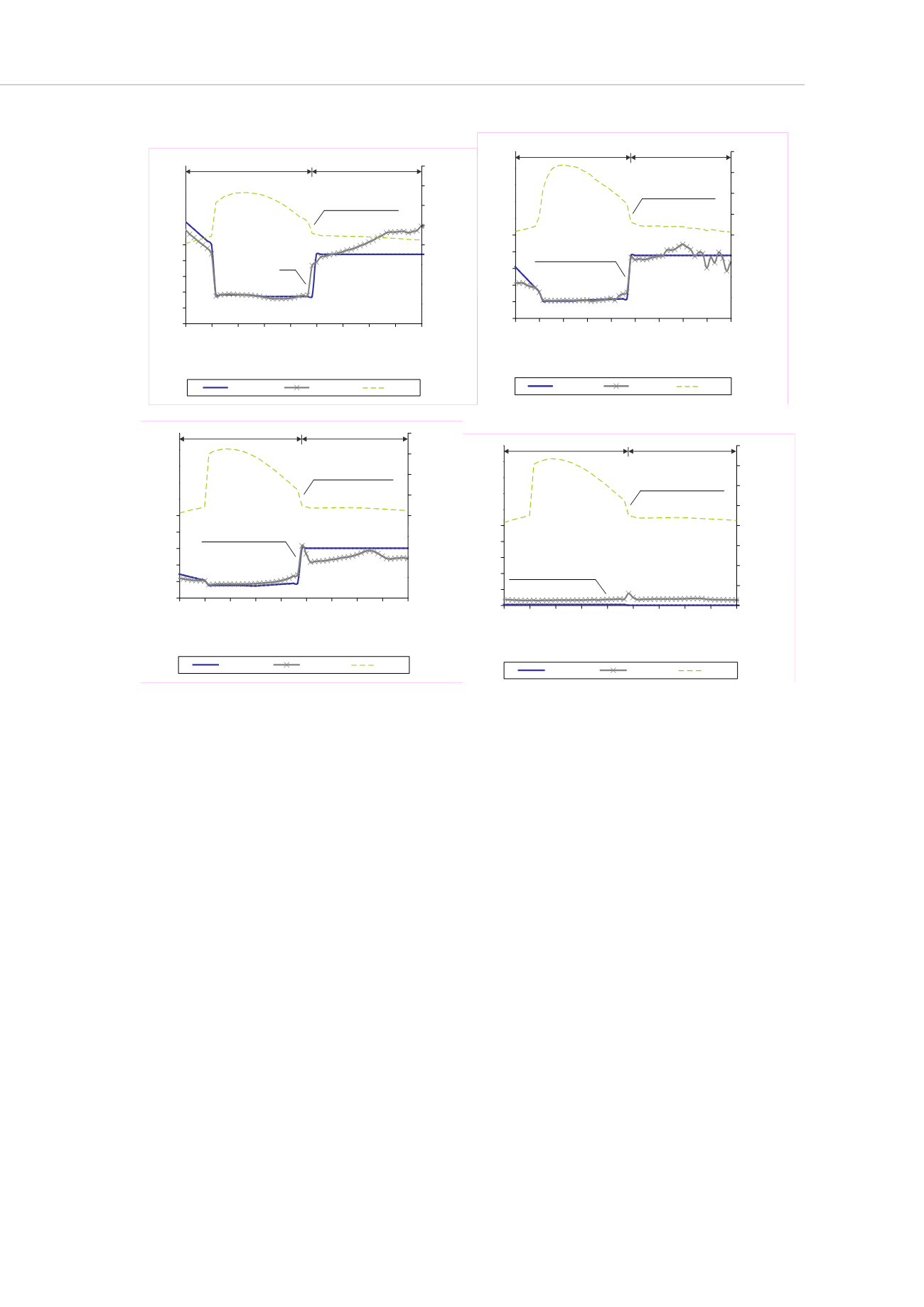
Figure 7: Incident solar radiation and comparison between numerical and experimental results of
solar transmittance for slat angles of: a) 0º; b) 30º; c) 45º; d) 90º.
A possible explanation for these discrepancies is the model no consideration of slat
curvature (Collins and Jiang 2008, Kotey et al. 2009) and the sky and the ground diffuse
solar radiation separately. Since the slats do not totally overlap, even for a fully closed
position (90º) the measurements were not null, which was not found numerically. It is
also worth noting that during the afternoon the incident radiation (only diffuse) is
considerably lower than during the morning (both direct and diffuse), which amplifies the
errors on the transmittance values. The uncertainty of setting a particular slat angle,
especially for intermediate angles, can also affect results.
The implemented venetian blind control strategy is based on the cut-off angle calculation
(equation 11), which varies with the profile angle of the sun and venetian blind geometry
(
L
b
/D
b
ratio), as illustrated in Figure 8.
To take into account the daily and annual changing of the profile angles of the sun, four
different days of the year are considered: 21
st
of December (winter solstice); 21
st
of
March (spring equinox); 21
st
of June (summer solstice); 21
st
of September (autumn
equinox). Figure 9 shows the hourly values of the seasonal ideal slat angles (cut-off
angles) for a south and east oriented venetian blind similar to the one used in
experiments (with L
b
/D
b
≈
1.2), in Lisbon (38º7’N, 9º1’W), Portugal.
0
0.1
0.2
0.3
0.4
0.5
0.6
0.7
0.8
0.9
1
08:00
09:00
10:00
11:00
12:00
13:00
14:00
15:00
16:00
17:00
Time
Transmittance
-800
-600
-400
-200
0
200
400
600
800
Num
Exp
Rad
Radiation (W/m
2
)
Direct+Diffuse
Diffuse
incident radiation
τ
0
0.1
0.2
0.3
0.4
0.5
0.6
0.7
0.8
0.9
1
8:00
9:00
10:00
11:00
12:00
13:00
14:00
15:00
16:00
17:00
Time
Transmittance
-800
-600
-400
-200
0
200
400
600
800
Num
Exp
Rad
Radiation (W/m
2
)
Direct+Diffuse
Diffuse
incident radiation
solar transmittance
0
0.1
0.2
0.3
0.4
0.5
0.6
0.7
0.8
0.9
1
8:00
9:00
10:00
11:00
12:00
13:00
14:00
15:00
16:00
17:00
Time
Transmittance
-800
-600
-400
-200
0
200
400
600
800
Num
Exp
Rad
Radiation (W/m
2
)
Direct+Diffuse
Diffuse
incident radiation
solar transmittance
0
0.1
0.2
0.3
0.4
0.5
0.6
0.7
0.8
0.9
1
08:00
09:00
10:00
11:00
12:00
13:00
14:00
15:00
16:00
17:00
Time
Transmittance
-800
-600
-400
-200
0
200
400
600
800
Num
Exp
Rad
Radiation (W/m
2
)
Direct+Diffuse
Diffuse
incident radiation
solar transmittance


