R E A L L H o u s i n g R e s e a r c h
3
counter-intuitive trend towards mechanisation have been provided, but the extreme
consequences of relying on universal air conditioning of buildings in terms of increased
energy consumption and carbon emissions are well known (Hoyt et al., 2009).
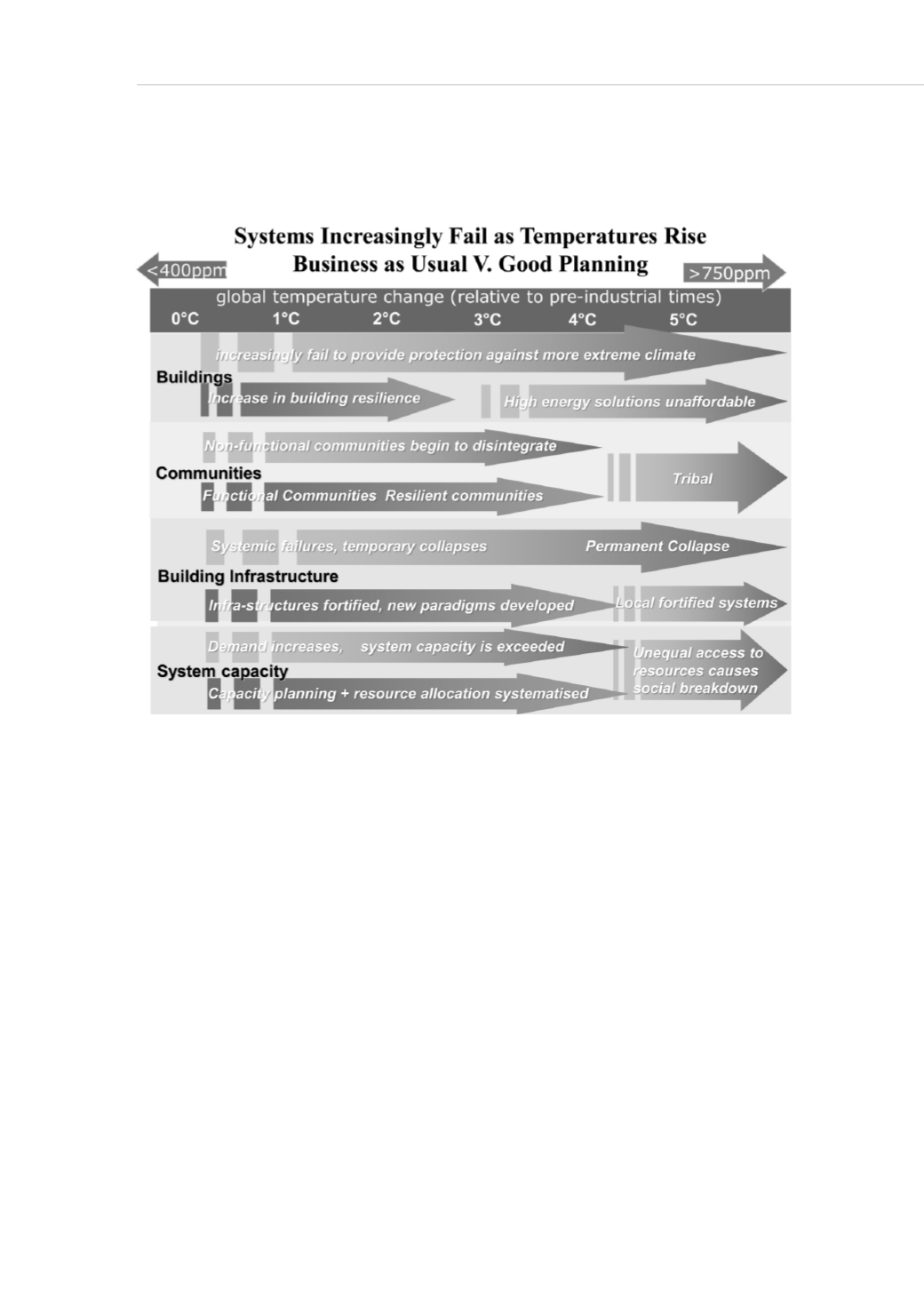
Figure 1. Diagram highlighting the growing pressures on buildings, communities, infra-
structure and system capacities with rising temperatures (Roaf et al., 2009).
Growing concern exists around the discrepancies that are obvious between the
modelled, predicted energy consumption figures and the actual measured energy
consumption in buildings (Touhy, 2012). The designer’s response is often fairly stock in
trade of ‘it’s the occupants fault’. Researchers are increasingly tackling the difficult
challenge of understanding and modelling the complex interactions between the multiply
complex systems within and between user perceptions and behaviours, buildings,
technologies, energy, climate, cost and policy.
In the face of the scale of the challenges we face, not least the global economic crisis of
2008-present, and the consequent collapse of the housing markets across continents, a
clarion call from well respected thinkers are pointing towards a future where growth, per
se, is not the key driver (Jackson, 2011; Heinberg, 2011) and issues of social equality
must rise up the agenda (Wilkinson and Pickett, 2009). Access to affordable resources,
not least warmth, coolth, light, food and transport must begin to shape our homes and
communities and the onus of design moves towards issues of how do we adapt to a
changing climate (Roaf et al., 2009) and build resilience into our social and ecological
systems (Birkes et al., 2008) as well as into the modus operandi of our commerce and
industry (Zolli and Healey, 2012)? Questions arise like how much can we get by with
and still live comfortably? Fairly blunt estimates exist of how much money a year one
needs to do just that (Davis et al., 2012) but how do such questions (particularly


