B E N I M P A C T S u i t e
163
of its lower level of detail is not adequate to show the inhomogeneous behavior of these
two rooms.
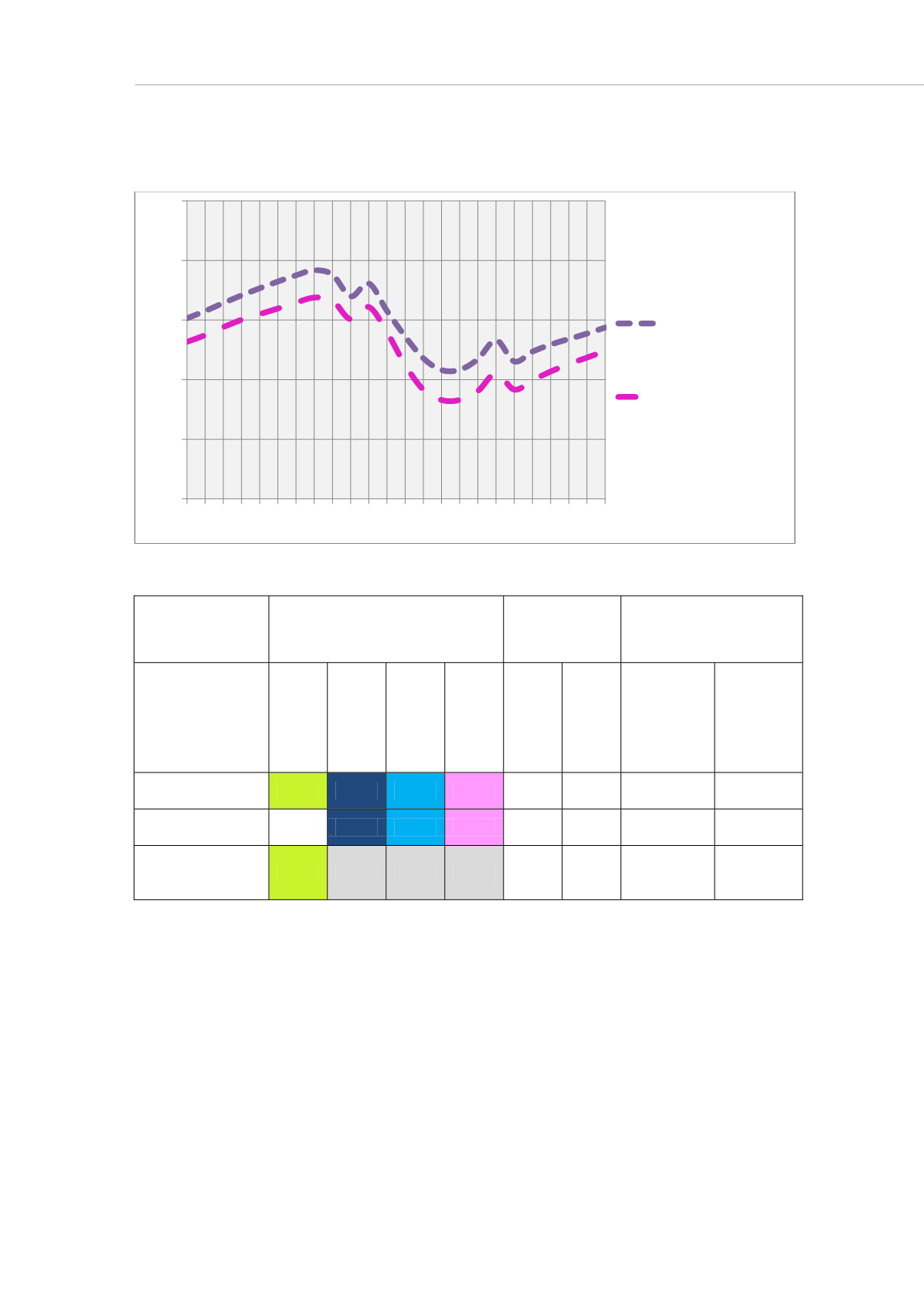
Graph 5: Net heating power required by the living space without or with the sunspace (GH)
Model
Thermal zones
Net energy
needs
[kWh/m
2
year]
Simulation results
Sunspace
Laundry
Office
Rest of the
house
Heating
Cooling
Energy
needs
Thermal
behavior of
the rooms
Four thermal
zones
20
12
Adequate Adequate
Without
sunspace
24
12
Adequate Adequate
Two thermal
zones
(standard
input values)
19
10
Adequate
Not
adequate
Table 1: Summary of the analyzed building models and their results
Conclusion
Simulations allow determining the thermal behavior of the building, verifying potential
and constraints of different design choices and trying to find solutions to fix design errors.
To effectively reduce the energy demand of a building, both winter heating and summer
cooling loads have to be considered through an integrated design process based on
consistent energy concepts.
There are many design choices that affect the building energy demand, the mainly are:
● building form (surface/volume),
● building orientation towards 4 cardinal points and size and orientation of windows,
● shading systems that protect against the sun in summer and not in winter,
● building orientation towards prevailing winds and natural ventilation strategy,
0
1
2
3
4
5
0 1 2 3 4 5 6 7 8 9 10 11 12 13 14 15 16 17 18 19 20 21 22 23
Net Heating Power [kW]
Hour
Living Space No GH
Living Space GH


