Z E M C H 2 0 1 2 I n t e r n a t i o n a l C o n f e r e n c e
214
The transformation process of WOOD from a “living” material into a building material
does not produce a lot of harmful emissions into the environment. The energy required
to obtain the finished product is very small compared to what is needed for other building
materials.
Wood is a “RENEWABLE and RECYCLABLE” material. This means that rational
management of “forest” resources will ensure that there is always a constant supply of
the raw material, "wood". A wooden structure can easily be demolished and all its
component parts re-used both for other building projects, following a much simpler
recycling process than for other materials, such as concrete and cement and chemical
substances.
Italian companies that build houses in prefabricated wood all trade under the banner of
eco- sustainability. The main difference between these companies and their “traditional”
competitors working with concrete, lies in their careful choice of wood and wood-based
materials, eco-friendliness, reduced harmful emissions, controlled provenance of
materials used and certified performance. These companies also seek to reassure their
customers about the durability of wooden structures, by emphasising their seismic or
fire-resistance properties. Wooden houses are by far the safest around. Its light and
flexible qualities make wood more resistant to seismic activities and, in the event of fire,
its outer layer prevents the fire from spreading towards the inside.
Using a timber-frame wall system ensures that the building can breathe, serves as heat
insulation and the method used for putting up prefabricated drywalls all help create a
healthy, damp and condensation-free environment. The efficient heat insulation and
controlled transpiration qualities of wood gives you a feeling of well-being.
The materials used in these modular structures help improve the quality of life inside the
home, thanks to the high energy efficiency and optimal acoustic properties that far
exceed existing regulations.
Wood is a low heat conductor and requires less energy to heat up the premises during
the winter and cool down in the summer. This translates into energy savings of up to
80%, compared to a similar building made of cement or bricks. It also helps keep the
room warm in the winter and cool during the summer. This very efficient insulating
method of construction consumes less than 30 hwh/mq.
Architectural designs in wood can also be highly personalised, allowing you to create
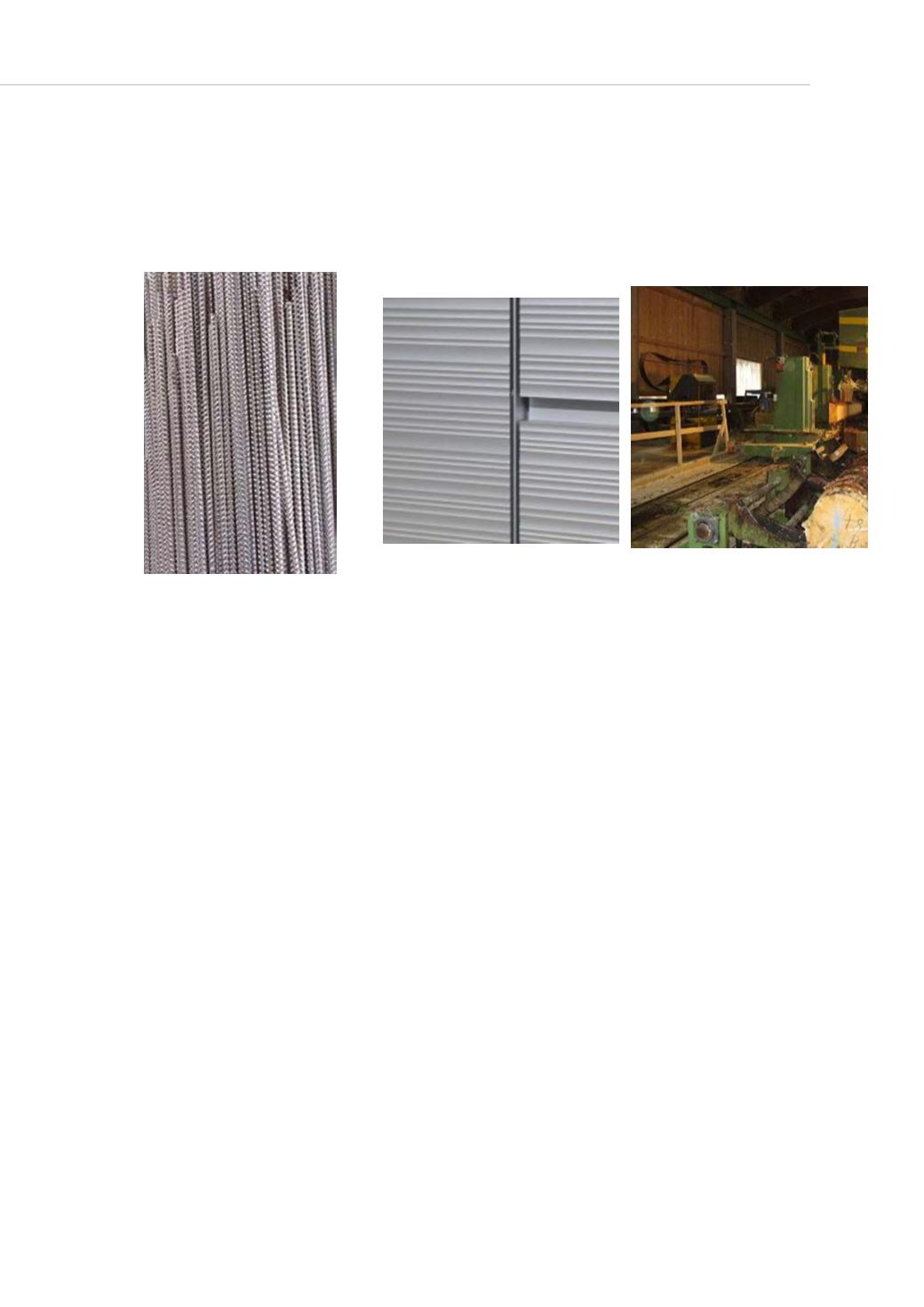
Wood 300 Kw/t
Steel 3.500 Kw/t
Alluminium 72.500 kW/t


