U s e r A w a r e n e s s t o E n e r g y C o n s e r v a t i o n S t r a t e g i e s
205
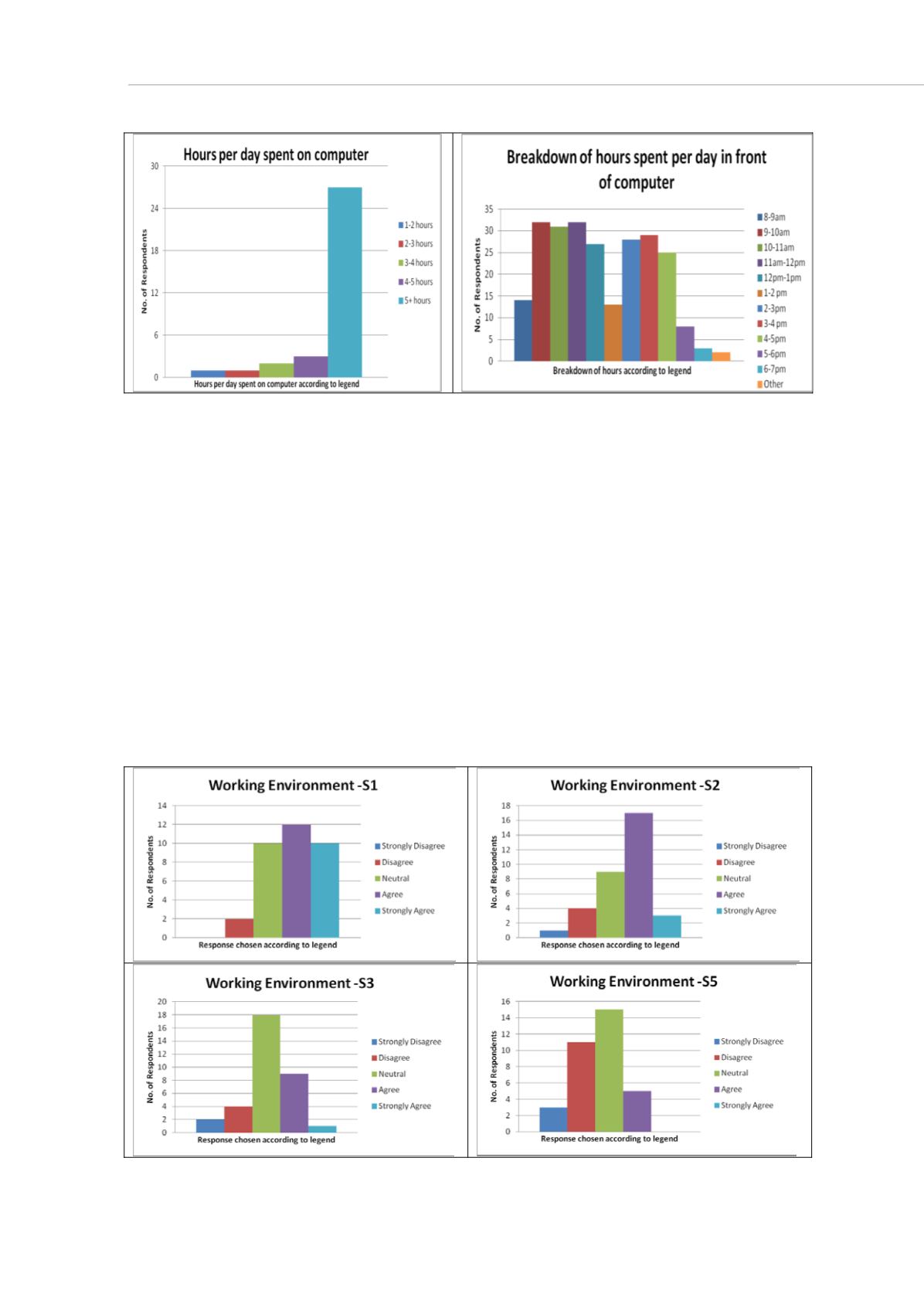
Table 2 above, revealed that the most employees (79.4%) employees spend in excess
of 5 hours on their computers each day, in addition, the vast majority of the respondents
used the computers between the times of 9 am-1pm and 2-5pm. Figures 3.5a and b
revealed that most employees regarded the library as designed and built to promote
energy efficiency to users as well as were felt that the electrical appliances they used
daily were energy efficient. However, when asked if there was sufficient notices/ guides
or reminder on best energy efficient practices that would influence their behavior almost
two-thirds (70.58%) were not convinced, a stack reminder of importance of appropriate
feedback system (S3). Further examinations of the attitude to energy efficient practice
(S6) revealed that there was mixed attitude towards feedback from employer. Equally
when asked if the working environment contributed positively towards global efforts in
mitigating against climate change, (S7), almost half (52.94%) were not convinced with
the effort by the employer. It suggests that the investments in use of high technology and
costs may not have had the desired effect.
Table 3: Analysis of Working Environment, (Ryan, 2011)


