T h e E x p e r i m e n t a l P e r f o r m a n c e
693
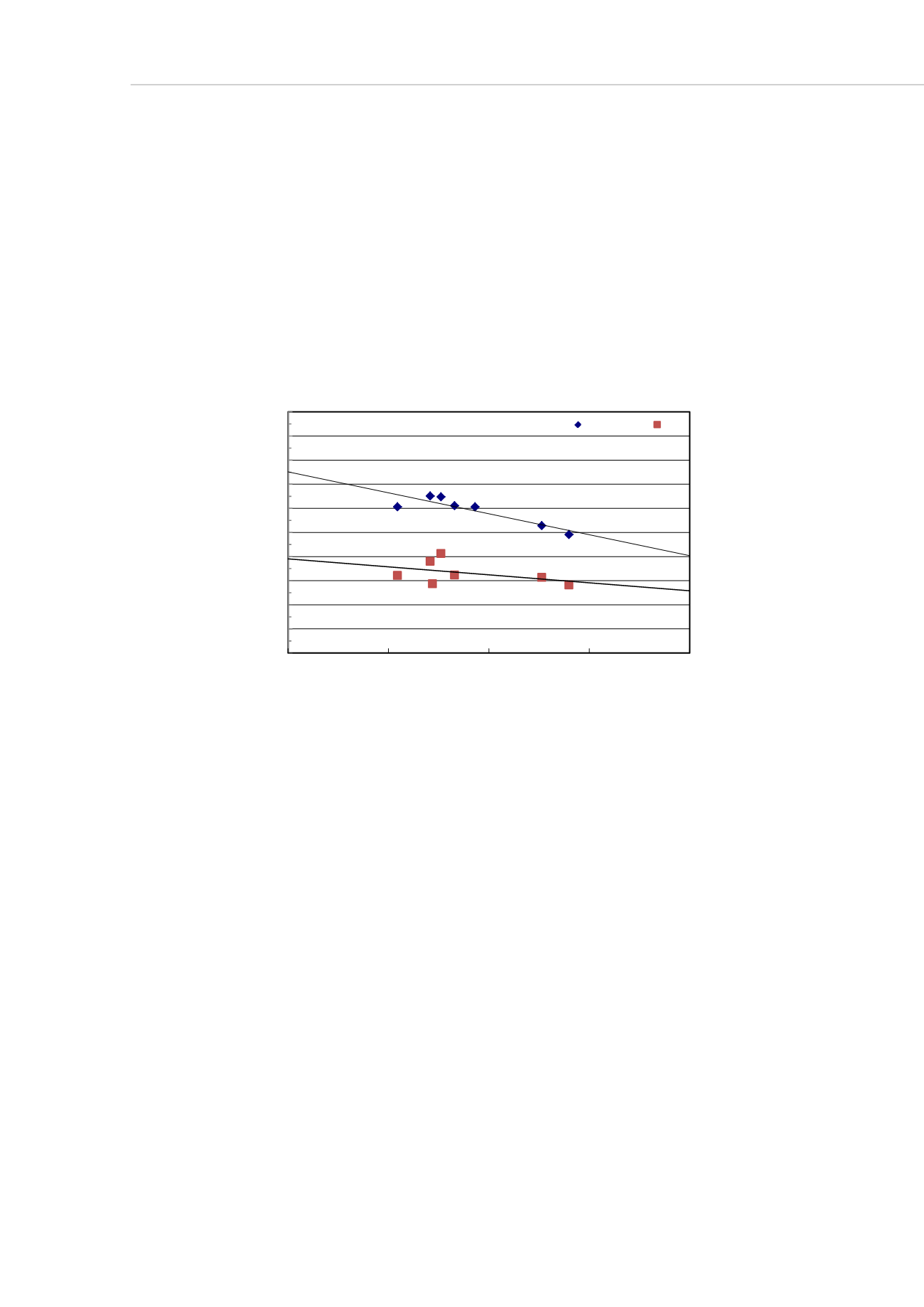
Fig. 8 shows the electrical efficiency of the 18 tube PVT module based on the mean fluid
temperature. To compare it with the electrical performance of the PV module that was
used in the test PVT module, the efficiency of the PV module, which was experimented
with under the same conditions, is also shown.
As shown in the graph, as the mean fluid temperature increased, the electrical efficiency
of the 18 tube PVT module decreased. Also, the decrease in the 18 tube PVT’s
efficiency was relatively greater.
The electrical efficiency of the 18 tube PVT and PV module is 17.51% and 13.91%,
respectively, under the same experimental conditions. This mean that the 18 tube PVT
had 3.61% higher electrical efficiency. Also, the average electrical efficiency is 15.62%
and 13.32%, respectively. This is because the PVT’s flow cooled down the PV module,
which led to greater electrical efficiency in the PVT module compared to the existing PV
module.
Figure 8: Electrical efficiency of the PVT module and of the PV module based on the average fluid
temperature
Conclusion
In this paper, two experimental models were made for this study: two sheet-and-tube
type PVT modules to which rectangular tube absorbers were applied, each with 12 tubes
and 18 tubes. Their experimental performance were compared and analyzed. In addition,
the electrical performance of the PVT module with a relatively higher efficiency and that
of the conventional PV module were compared.
The results show that the 18 tube PVT had about 20% higher thermal efficiency and
about 10% higher electrical efficiency compared to the 12 tube PVT. Therefore, it can be
said that the 18 tube PVT has superior thermal and electrical efficiency compared to
those of the 12 tube PVT. This is attributable to the fact that the area for heat exchange
increases with a larger number of flow paths.
The electrical performance of the PVT modules varies depending on the mean fluid
temperature, which directly affects the module temperature. The PVT modules had
about 20% higher electrical efficiency than that of the conventional PV module due to the
influence of the mean fluid temperature.
Acknowledgement
This work was supported by the Human Resources Development of the Korea Insitute of
Energy Technology Evaluation and Planning(KETEP) grant funded by the Korea
government Ministry of Knowledge Economy(20114010203040) and the Priority
0.10
0.11
0.12
0.13
0.14
0.15
0.16
0.17
0.18
0.19
0.20
0
10
20
30
40
Electrical efficiecy
T
m
(℃)
18 tube PVT PV


