Z E M C H 2 0 1 2 I n t e r n a t i o n a l C o n f e r e n c e
234
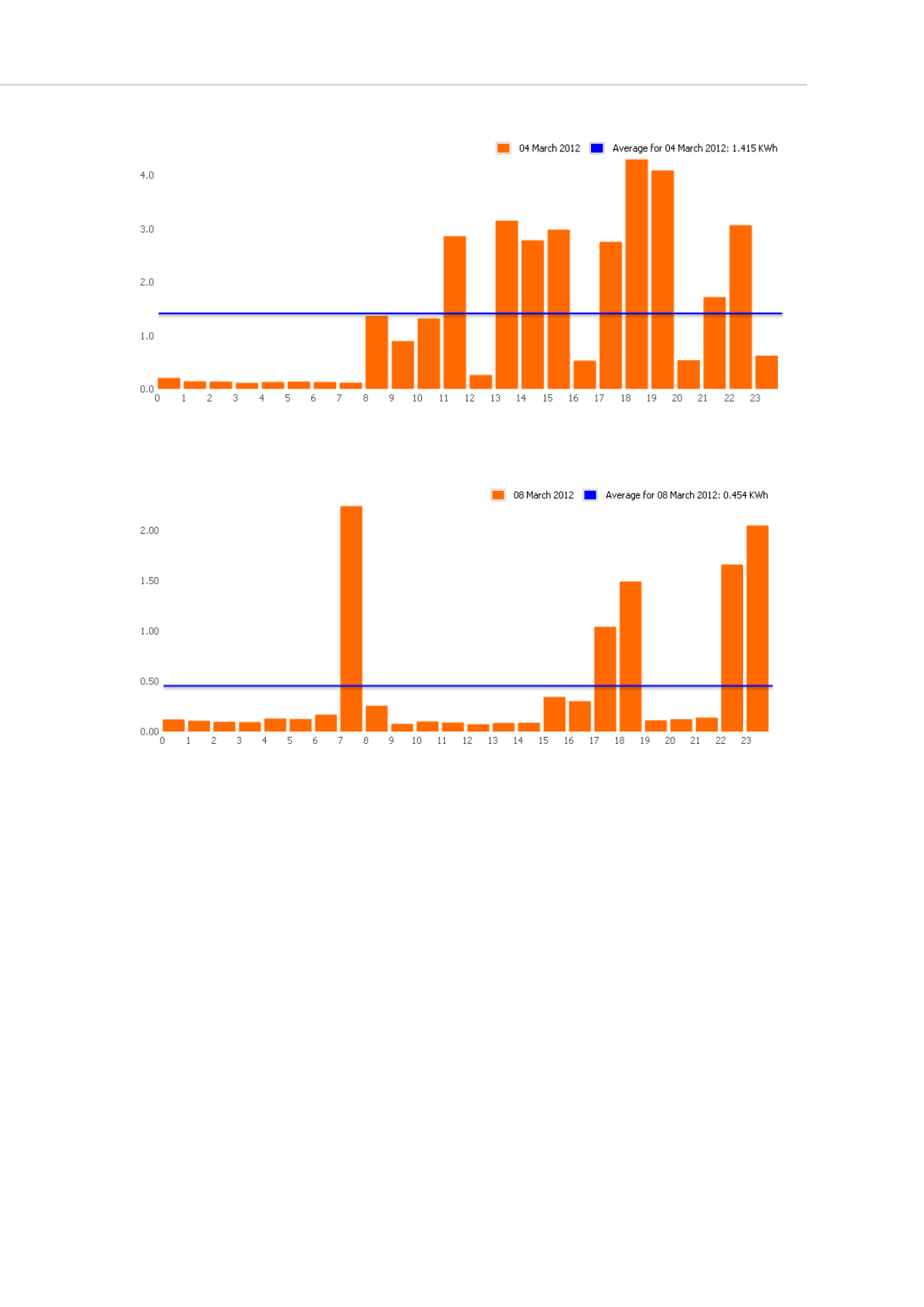
Figure 17: Electricity usage pattern with the Savasocket on Sunday 4th March 2012
Figure 18: Electricity usage pattern without the Savasocket on Thursday 8th March 2012
According to the monitoring results, the potential residents of ZEMCH109 use more
electricity over the weekends and in the late hours of the weekdays. Obviously, staying
at home results in more energy use derived from lighting and heating as well as the use
of electrical appliances.
This study concerning how a house is used helped gain an understanding of the daily
usage patterns in greater depth. There was a pattern of energy consumption between
day and night. The optimal use of sunlight may help alleviate reliance on artificial lights
and the education also serves as a medium that helps reduce energy use although the
way to retain the households’ interest in energy saving lifestyle seems to be another
dimension of the future studies. In consideration of the monitoring results and energy-
efficient design techniques, some design options applicable to ZEMCH 109 will be
discussed in the following sections prior to shaping the cost-effectiveness assessment
tool.
Selection of Design Components
In addition to human factors, the cost and performance of a house depends generally on
design components selected. Thus, design decisions need to be made carefully with due
consideration of the current and future value of not only component alternative but also


