A S t u d y o n t h e H y d r a t i o n C h a r a c t e r I s t I c s
647
2.3 Experimental Methods
The setting test of the paste was implemented in compliance with the
「
KS L 5108,
Testing method for setting time of hydraulic cement by vicat needle
」
. The mortar
experiment was undertaken following the
「
KS L ISO 679, Methods of testing cements-
Determination of strength
」
, and the length change test was measured by the
「
KS F
2424, Testing method for length change of mortar and concrete
」
. For the hydration
analysis, SEM (Scanning Electronic Microscope) and XRD (X-ray Diffraction) were
implemented for its usage.
3. Results and Discussion
3.1 Setting time
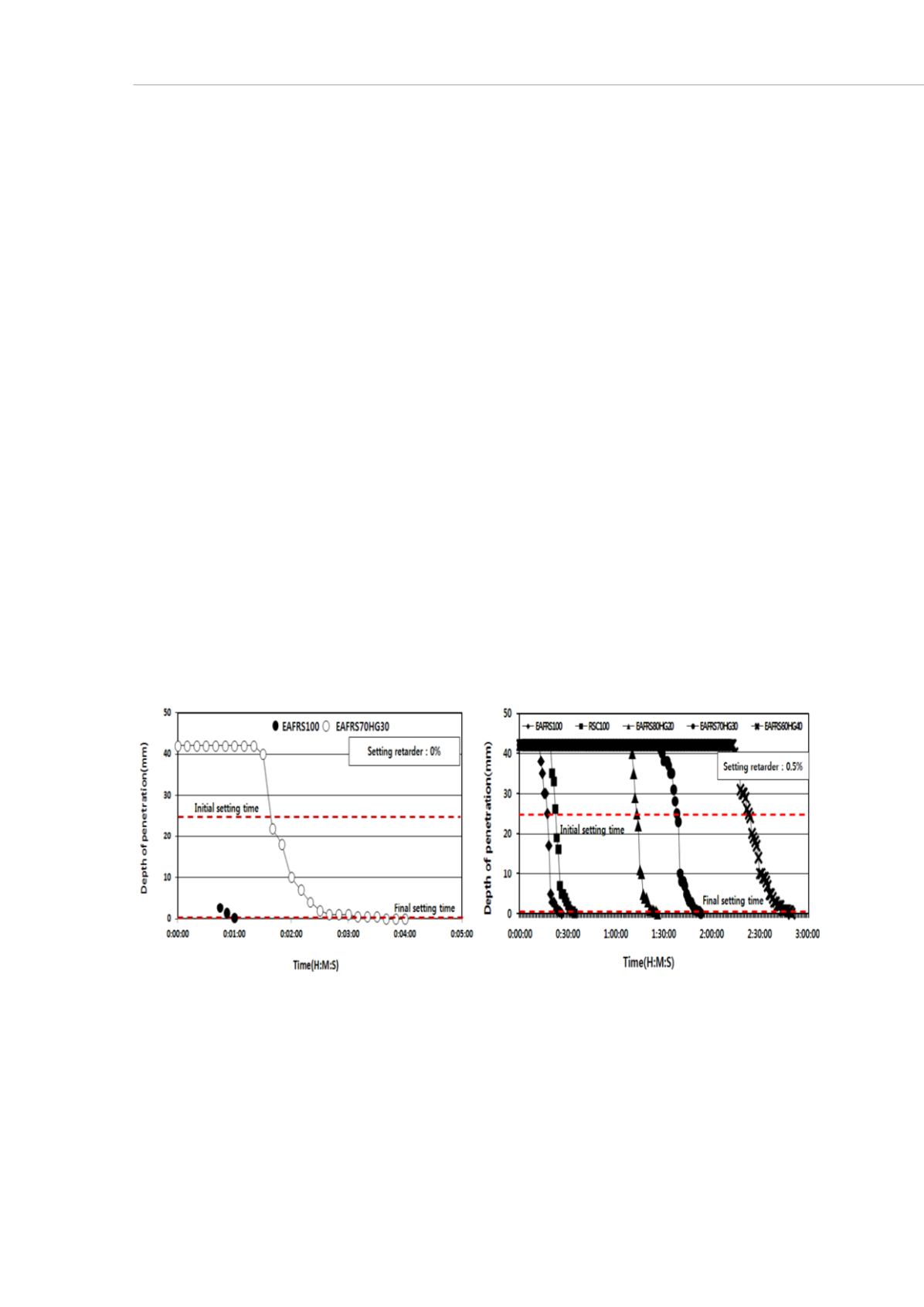
Fig. 1 shows the setting characteristics of the EAFRS and binder that added 30% of the
gypsum to the EAFRS. The EAFRS powder contained the CA minerals with the quick
setting that the work was impossible to carry on for immediate reaction and
condensation for the hydration reaction. The EAFRS binder that added the gypsum was
shown the delay effect of approximately 2 minutes compared to the one that used the
EAFRS alone. Fig. 2 shows the setting characteristics added for 0.5% of the binder
compared to the retarder. The organic ingredient of the retardant heightened the ratio of
fluorine content hydration aluminum gel from the hydration generated material to have
the gel to coat on the surface of the unhydrated particle to control the ettringite
generation and growth. In the event of using the EAFRS only, it showed setting in
approximately 25 minutes to show the initial set and end set faster than the regulated
setting cement. Following the increase of the gypsum replacement rate, it showed the
increase of initial set and end set time of binder more assured than the case of not
adding the retardant. When replacing the gypsum for 40%, up to 2 hours or more of
workability was secured.
Fig. 1 Setting time of EAFRS binders with or
without gypsum
Fig. 2 Setting time of EAFRS binders
according
3.2 Heat of hydration (Simple adiabatic temperature)
The thermal hydration test result following the temporary thermal temperature
measurement of the binder is shown on Fig. 3. The regulated setting cement and the
EAFRS had the drastic reaction in early time to show its maximum peak of the thermal
hydration within the first hour. In particular, for the case of the EAFRS, when using the


