Z E M C H 2 0 1 2 I n t e r n a t i o n a l C o n f e r e n c e
294
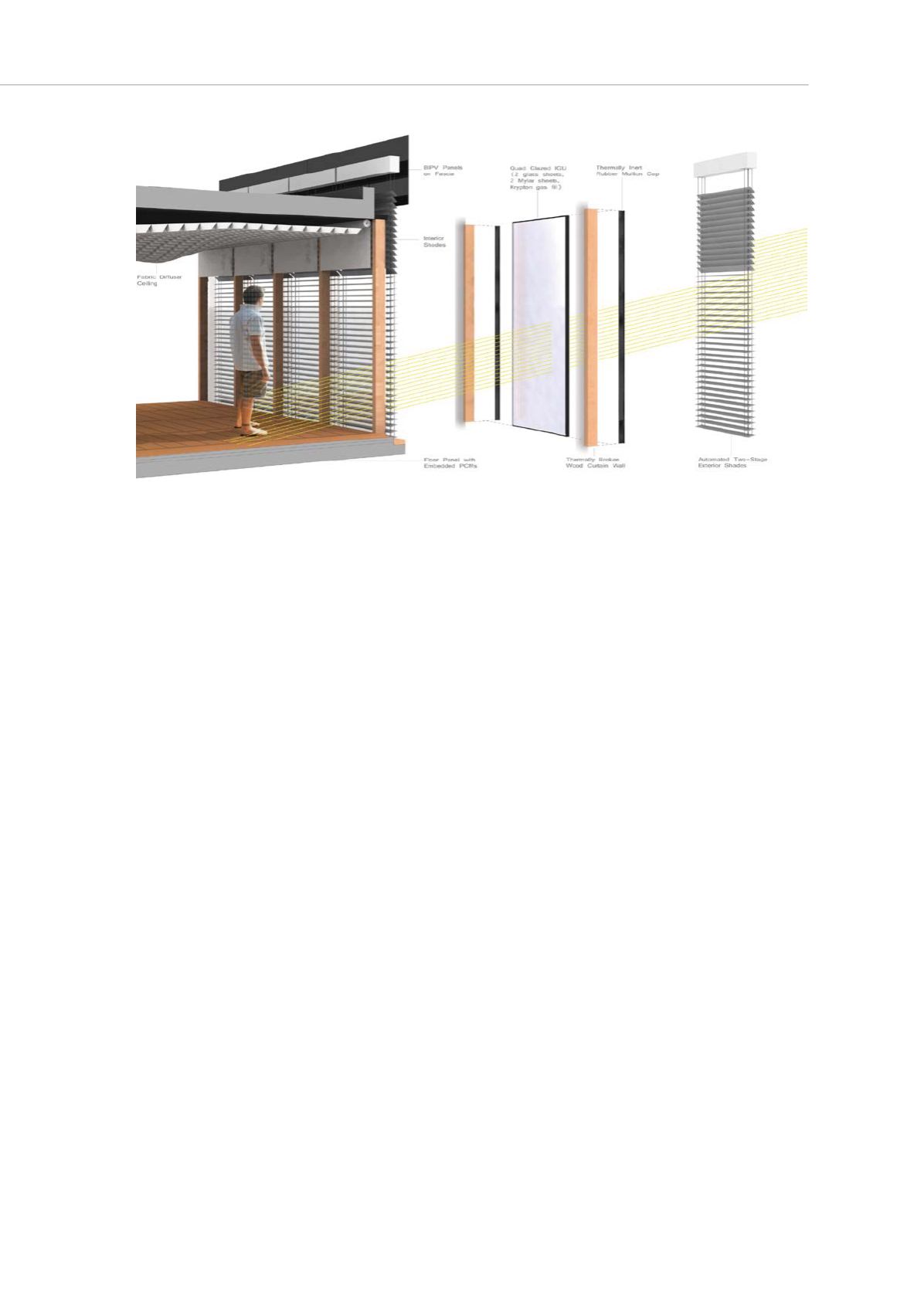
Figure 5: DReSS system layers, as implemented in North House prototype.
Given that summer cooling is largely managed by the exterior shades, the glazing
system is designed to provide maximum thermal resistance combined with optimized
passive solar heat gain during the winter. Based on extensive energy modeling of
multiple iterations, the chosen IGU developed for the first prototype was a Quad-Glazed
Krypton filled unit comprised of two 6.5 mm sheets of clear low-iron glass sandwiching
two sheets of Heat Mirror 88 mylar films. Low-E coatings on glazing surfaces 3, 5, and 7,
with selective transmittance values were engineered to maintain a moderate SHGC
across the four layered assembly. The resulting IGU had a center of glass insulating
value of R-12 (U-0.083 W/m²K). The large uninterrupted glass areas minimize locations
of edge and mullion incidence and thus the ratio of center of glass (highest resistance) to
frame (lowest resistance), resulting in a performance of R-8 (U-0.125 W/m²K) across the
whole assembly. The IGUs are positioned within a wood frame curtain-wall system,
designed to minimize thermal transfer. The function of natural ventilation is separated
from the primary glazing system and achieved through manually operated full-height
insulated opaque casement units.
In addition to the component panels that constitute the primary envelope of the Latitude
system, a number of active and passive technologies are incorporated into the complete
assembly of the unit to enhance the building’s thermal systems.
Energy models
determined exterior shading could significantly lower the cooling load, while allowing the
glazed areas to take full advantage of passive solar radiation during heating months. A
Venetian blind type exterior shading system used in the prototype offers two important
benefits; (i) the shades can easily and automatically be fully retracted from the face of
the building behind its fascia to admit maximum solar penetration, daylight, and views;
and (ii) the individual slats are capable of a rotational range of almost 180° allowing for a
high degree of precision in the control of solar shading. The full height shading panels
are divided into two shading zones with individual rotation capacity so that the 3’-0” ft
high upper clerestory can be opened to allow natural light to enter the space while the
lower zone is optimally rotated for blocking solar radiation. Energy modelling indicated
that the use of this active shading system on the outside of the house could reduce the
cooling load by as much as 46%.


