Z E M C H 2 0 1 2 I n t e r n a t i o n a l C o n f e r e n c e
302
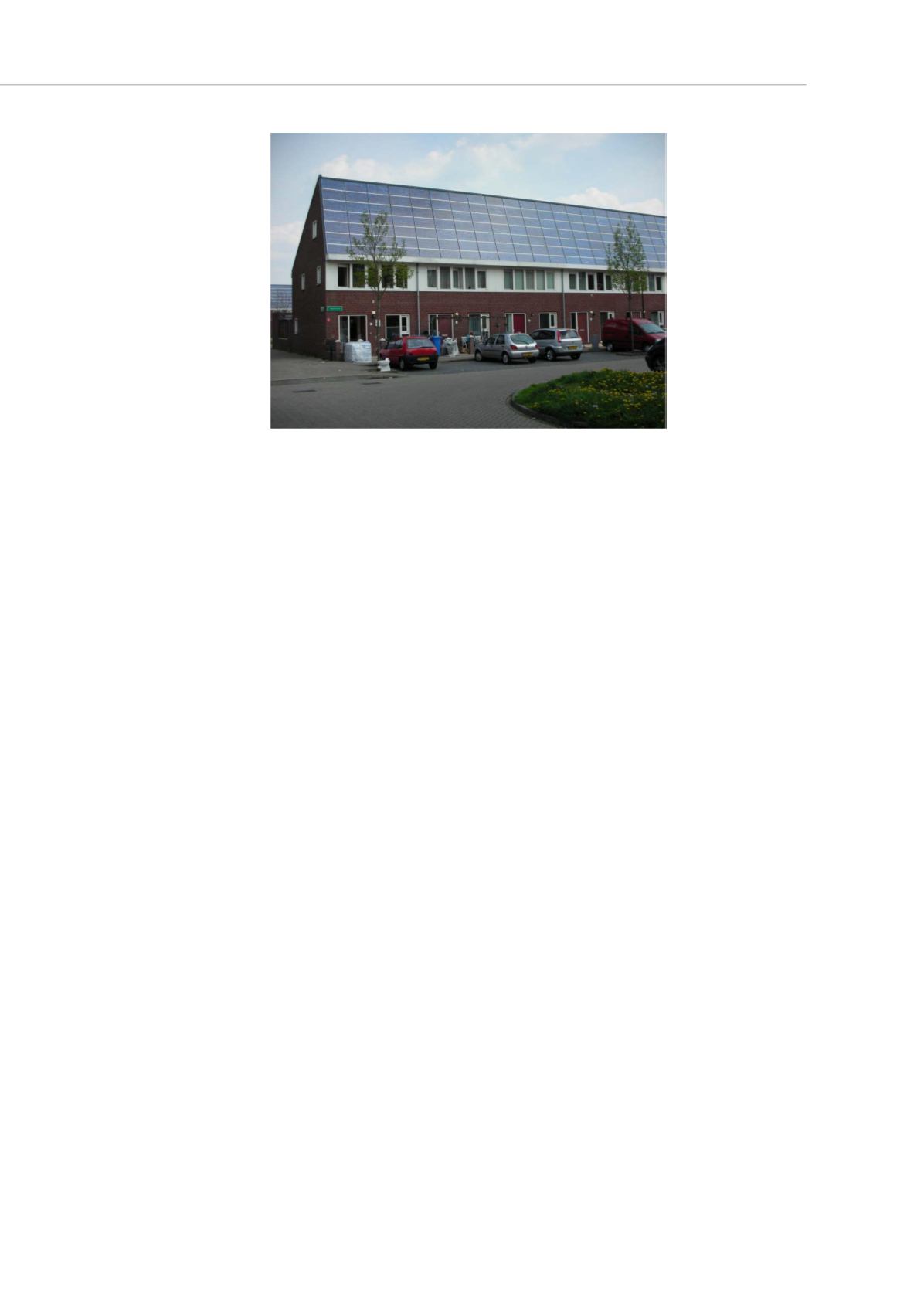
Figure 1: Nieuwland, Amersfoort (NL), 1999. Pitrus-Mattenbies project, design: Klaus en Kaan. 119
houses, showing 2462 m
2
PV used as roof cladding. Source: A. Scognamiglio
Among the energy technologies, which can be used to get the Net Zero Energy
objective, PV has many potentialities, thanks to its features and enormous recent
decrease in cost:
•
PV can contribute significantly to the reduction of the primary, conventional energy
supply, as well as to the reduction of the CO
2
emissions;
•
PV can power any kind of energy request of the building (electrical and indirect even
thermal);
•
PV can be used exactly where the energy is consumed (on-site energy generation);
•
PV can be easily added or integrated onto/into the building envelope, allowing for a
number of functions: e.g. on/in rooftops, opaque and semitransparent envelope
surfaces, having a structural function as well as sun-shading and cladding function,
etc., and enabling also a construction costs reduction if used in substitution of
traditional building materials (figure 1). [Bosco-Scognamiglio 2005, Scognamiglio
2009a]
•
PV can be considered in terms of price/m
2
as a “standard” material for buildings with
the advantage of generating energy. PV modules are available at the price of about 1,5
EUR/W (in the only European market the price is even lower, with the lowest price
about 0,78 EUR/W) and they account for about 35% ÷ 40% of the whole PV system
cost. [Solarbuzz 2012] If we assume that a module has a power density of 120 W/m
2
,
then 1 m
2
PV modules costs about 180 EUR/m
2
, and generates in European countries
about 90÷160 kWh/m
2
/year (table 1).
These considerations on the potentialities of PV in achieving an equalized energy
balance suggest a simple architectural implication: PV is going to become an
indispensable material for buildings, with the consequence of being in a near future a
relevant part of the building design. [Scognamiglio 2011]


