P h o t o v o l t a i c s a n d ( N e a r l y ) N e t Z e r o E n e r g y B u i l d i n g s
305
the envelope surfaces. A possible solution here is designing new building to produce an
energy surplus to compensate negative balances of refurbished buildings.
;
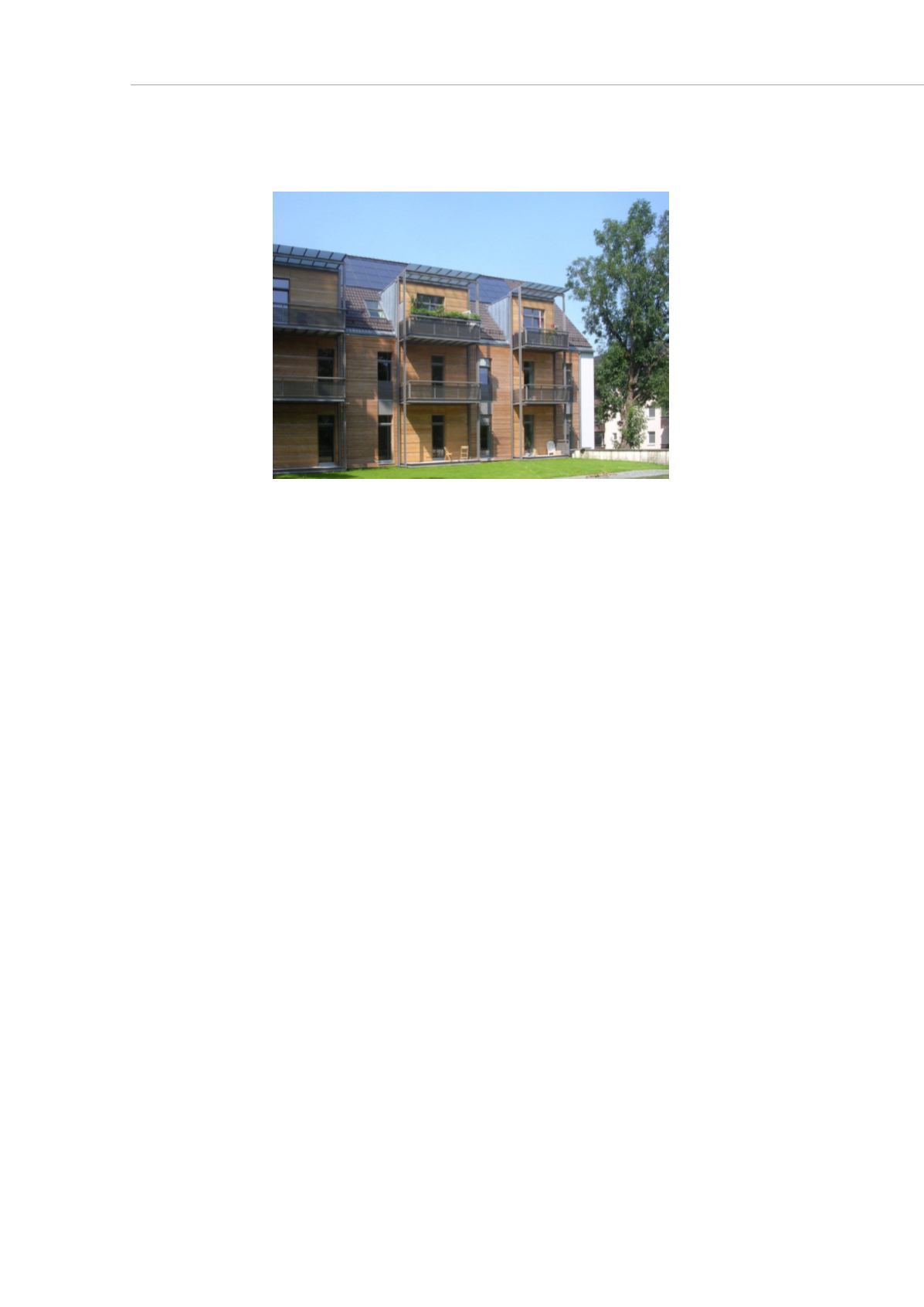
Figure 3: Net Zero Energy Buildings Cluster / retrofit projects. Renovated district in Bad Aibling (DE),
design: Schankula-Architekten. New buildings generate an energy surplus to compensate negative
balances of refurbished former military accommodation buildings from the 1930s. ST and PV areas
differ significantly from each other. The shown example feed heat into the settlements local heating
grid by means of 2000 m² of ST collectors. Source: Schankula-Architekten.
2.2 Energy supplies for NZEBs
In relation to the architectural building design, the possible renewable supply options are
[Marszal 2010; Sartori 2012]:
•
in building’s physical footprint (e.g. PV on a building’s roof);
•
on-site renewables (e.g. PV on roofs of a parking lot or small scale wind turbines);
and:
•
nearby renewables (e.g. systems close-by financed by the building owner or user,
such as shared CHPP);
•
off-site renewables for on-site use (e.g. biomass);
•
purchased “green” energy from contracts, off-site wind turbines (electricity) or CHPPs
(electricity, heat and cold).
The focus for the design of Net ZEBs should be conceiving the building and its energy
balance together. This implies that the energy generation should be in the building’s
property, which means any arrays, which could be located in the buildings footprint or
on-site. [Torcellini 2006, Voss 2011, Musall 2012b, Sartori 2012].
If PV is the only energy technology used (all electric), then there is a strong relationship
between the architectural form of the building and the energy choices. For instance, if we
take into account a small residential building, and we imagine to optimize tilt and and
azimuth angles of a PV collector, then the result could be a sloped PV plane placed on
the building (figure 4).
In reality, in most cases where the building is more than one or two floors, the repertoire
of solutions for PV is broader and more complex.


