L a t i t u d e H o u s i n g S y s t e m
297
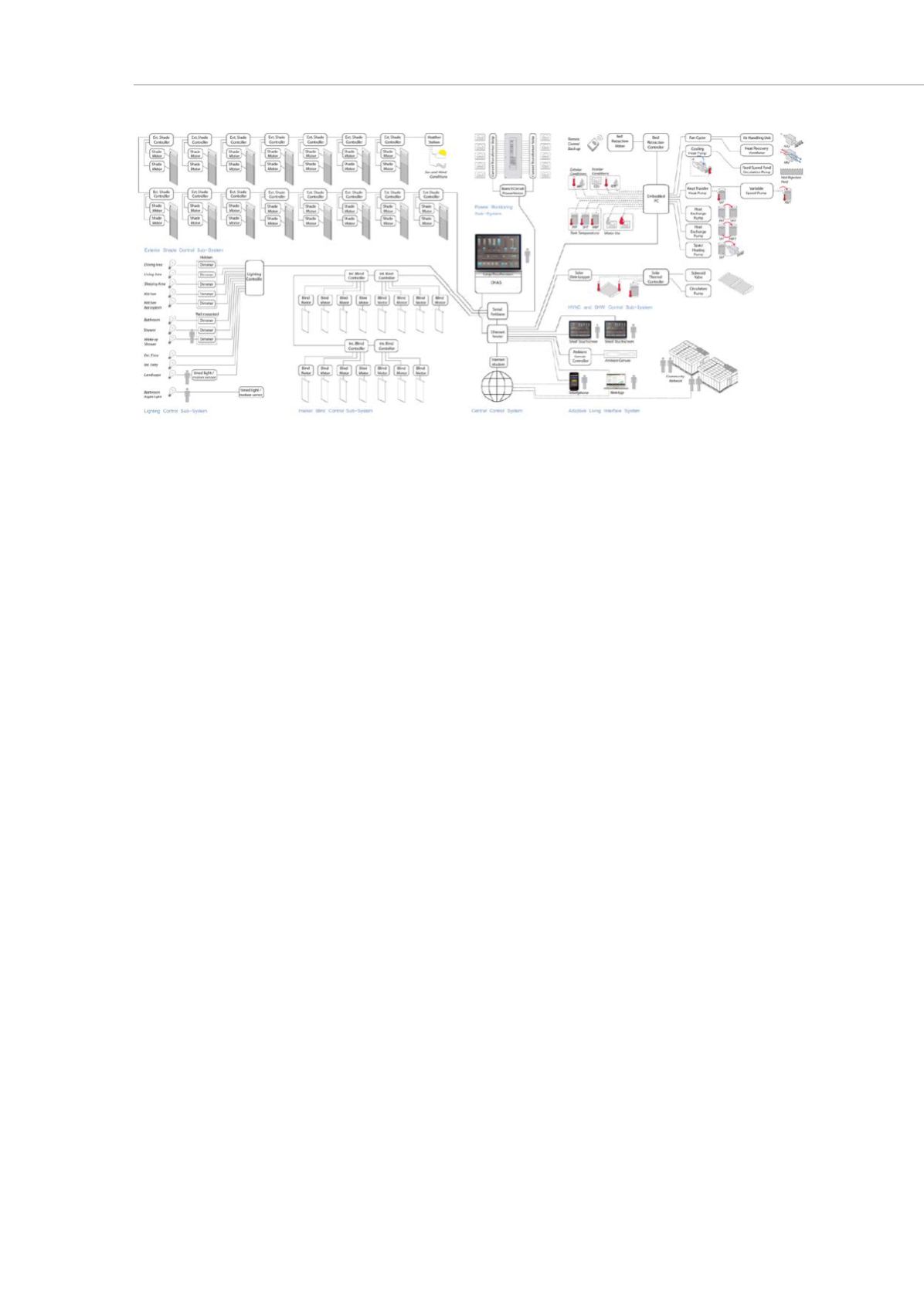
Figure 8: North House integrated system control logic and user interface CHAS & ALIS
CHAS: Integrated Systems Performance Optimization
CHAS provides measurement, device control and automation that operates the shades
and the HVAC system based on exterior weather information and frequently measured
interior temperature, relative humidity, and carbon dioxide content, as well as monitoring
for the solar electric and thermal production systems. During most of the year the
house’s heating and cooling needs are met by the exterior shades and the passive
building envelope assembly. As this is the more energy efficient strategy, the CHAS
privileges this passive method of thermal management whenever possible, reserving the
HVAC system as backup. This integrated approach offers significant savings in
operational energy as well as capital costs, since the majority of the HVAC equipment
can be significantly downsized. The team also developed a customized solar domestic
hot water and HVAC system that is estimated to provide an average of 65% of the
required hot water for space heating, cooling and domestic uses, with collected solar
thermal energy alone. Embedded interior and exterior sensors provide continuous real
time data to the CHAS system.
ALIS: inhabitant responsiveness and energy conservation
A sustainable home is more than a green building: it is also a living environment that has
the capacity to encourage inhabitants to use fewer resources more effectively while
fostering a compelling lived experience. Social scientists have long recognized that the
motivations behind energy consumption and conservation are primarily societal and
cultural, and have argued that deep social change is necessary to achieving real and
lasting energy reduction in the use of buildings. Differences in individual behavior have
been shown to produce large variations – in some cases as much as 300% – in energy
consumption, even while controlling for differences in housing typology, appliances
efficiency, HVAC system composition, and family size (Janda, 2009).
ALIS is a specially designed control architecture and interface that provides the
inhabitant with simple, intuitive controls, monitors and provides meaningful feedback on
the impacts of their behavior, and also provides inhabitants with social motivation tools to
foster sustainable patterns of living. The suite of technologies that constitute ALIS
includes an extensive monitoring and data-logging system, three different types of
feedback mechanisms (integrated within the home and accessible through web and
smartphone applications), and a social network connecting the theoretical community of
ALIS users. The monitoring system collects data on energy consumption by use, energy
production, hot water and total water consumption, and hot water production, as well as


