Z E M C H 2 0 1 2 I n t e r n a t i o n a l C o n f e r e n c e
306
It is quite obvious that when using only PV, expanding the energy balance boundary
beyond the building’s physical footprint is necessary in many cases, when the energy
demand is high compared to the available building’s surfaces for solar caption (e. g.:
buildings in dense cities, retrofitting buildings. This option, now considered mainly as a
technical issue, should be considered in the future as a part of the building’s design, or
rather, of the landscape design. By appropriate choices, in fact, it is possible to design,
for instance, a solar strand detached from the building (on-site), but conceived as a part
of the landscape (figure 5). [Scognamiglio Røstvik 2012]
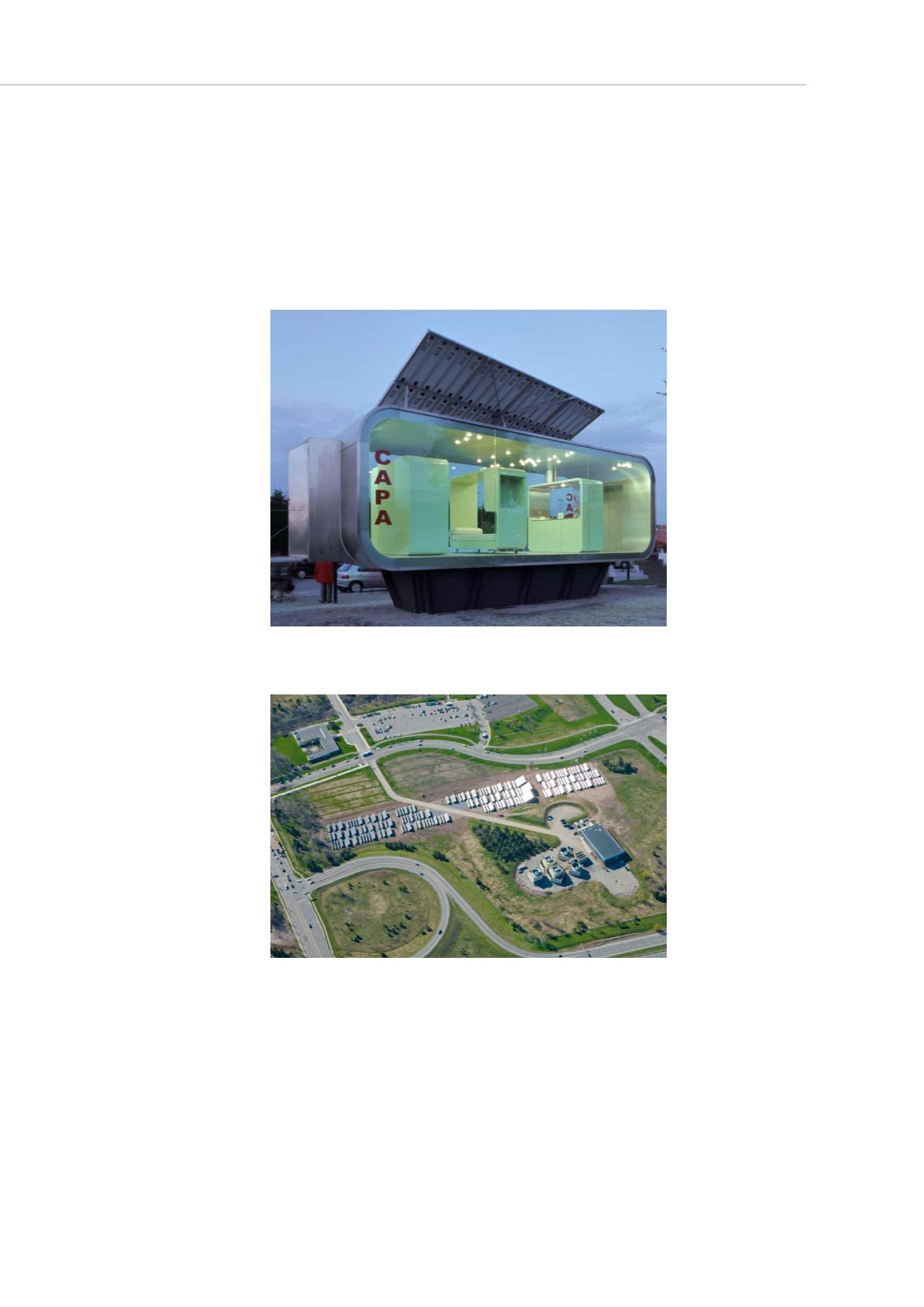
Figure 4: CAPA (2003), Matosinhos, PT, design: Cannatà&Fernandes. The PV generator is shaped as
a sloped plane that characterizes the image of the building. Source: A. Scognamiglio.
Figure 5: On-site energy generation as a part of the landscape design. The Solar Strand, Buffalo University
Campus, Buffalo (US), 2011, design: Walter Hood, Hood Design. The solar array powers the existing
dormitory of the Campus.The PV modules on the ground are arranged according to a DNA pattern. They
give form to a public space in a direct functional and visual relationship with the buildings of the campus.
Picture ©2012 University at Buffalo.
The on-site supply options for (Nearly) Net ZEBs are very multifaceted (figure 4).
Because the aim of Net ZEBs constitutes a great challenge and PV systems will not be
sufficient to cover the demand alone, maximum energy efficiency and expansion of
renewable energy supply is the key to success. Significant use of wind power directly at


