P h o t o v o l t a i c s a n d ( N e a r l y ) N e t Z e r o E n e r g y B u i l d i n g s
315
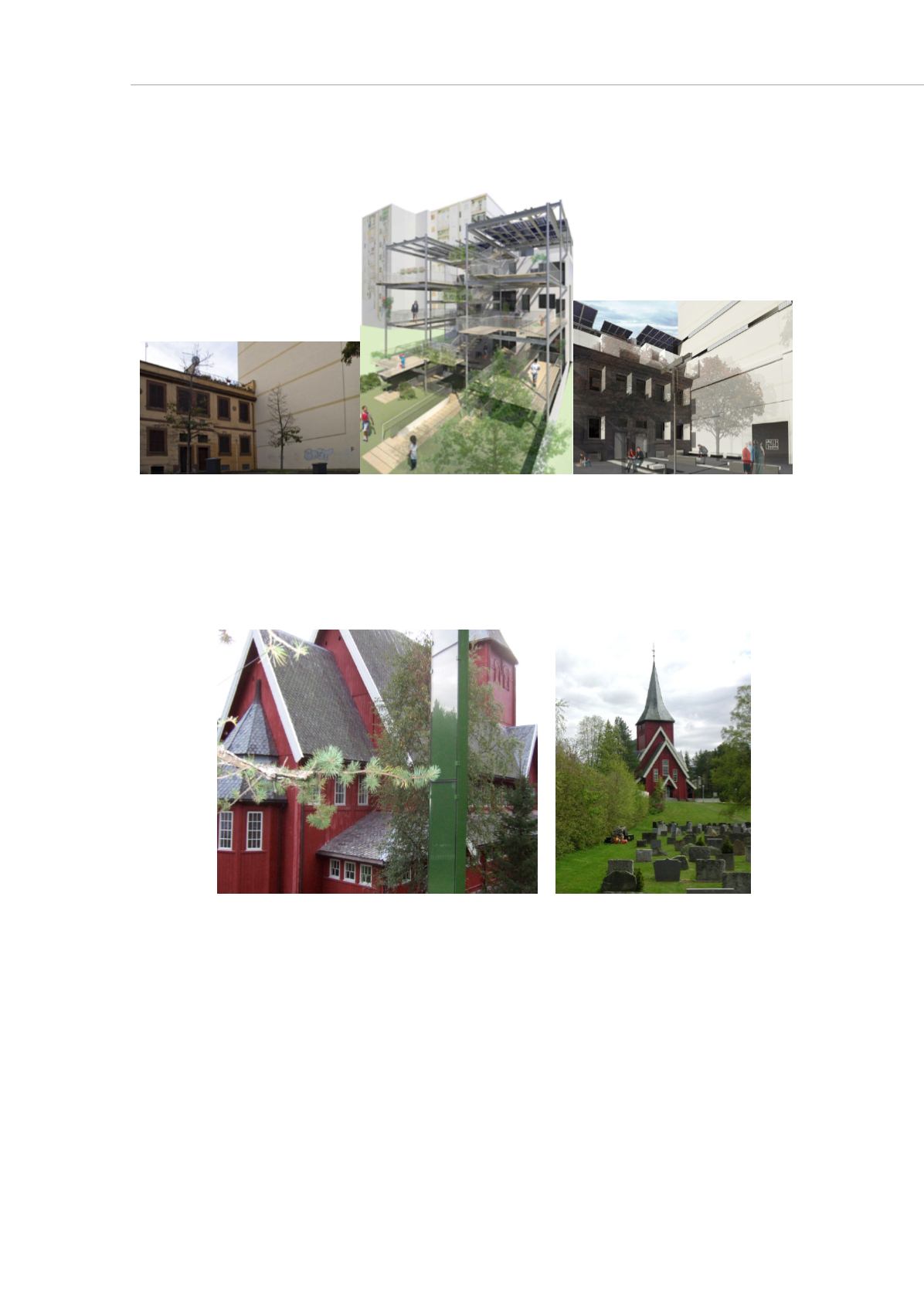
Figure 11: An ordinary historical building in Rome, transformed into an energy generating building
(Reinverso). Design: R. Russolillo, D. Lucafò. S. Chiergia; work developed at the Italian Institute of
Architecture, Master Progettista di Architetture Sostenibili, 2009. From left to right: the existing
building, the re-designed South facade, and the re-designed North facade. Source: InArch, Italian
National Institute of Architecture
Figure 12: PV on building’s site(listed building) / Hol Church, Geilo, NO, design: Harald Røstvik.
What do you do when you for antiquarian reasons are not allowed to do anything on the built
envelope? An extensive search for alternative solutions did lead to the circling in of using the
extended space around the church for energy producing, solar absorbing, purposes. A vertical ST
absorber at a distance to the building, as a sculptural feature. The solar absorbing sculpture was
designed in dark green so as to blend with the green forest next to it and hence not steal too much
attention from the red church it was supposed to serve. A dark green solar absorber is less efficient
than a black one, but only slightly and the loss in efficiency can easily be compensated for through
increasing the solar absorber area by 10-15 percent. Source: H. Røstvik
5. Preliminary conclusions
The investigation results in some important issues for the use of PV in (Nearly) Net ZEBs
scenarios, which have an influence on the building and city design.


