Z E M C H 2 0 1 2 I n t e r n a t i o n a l C o n f e r e n c e
314
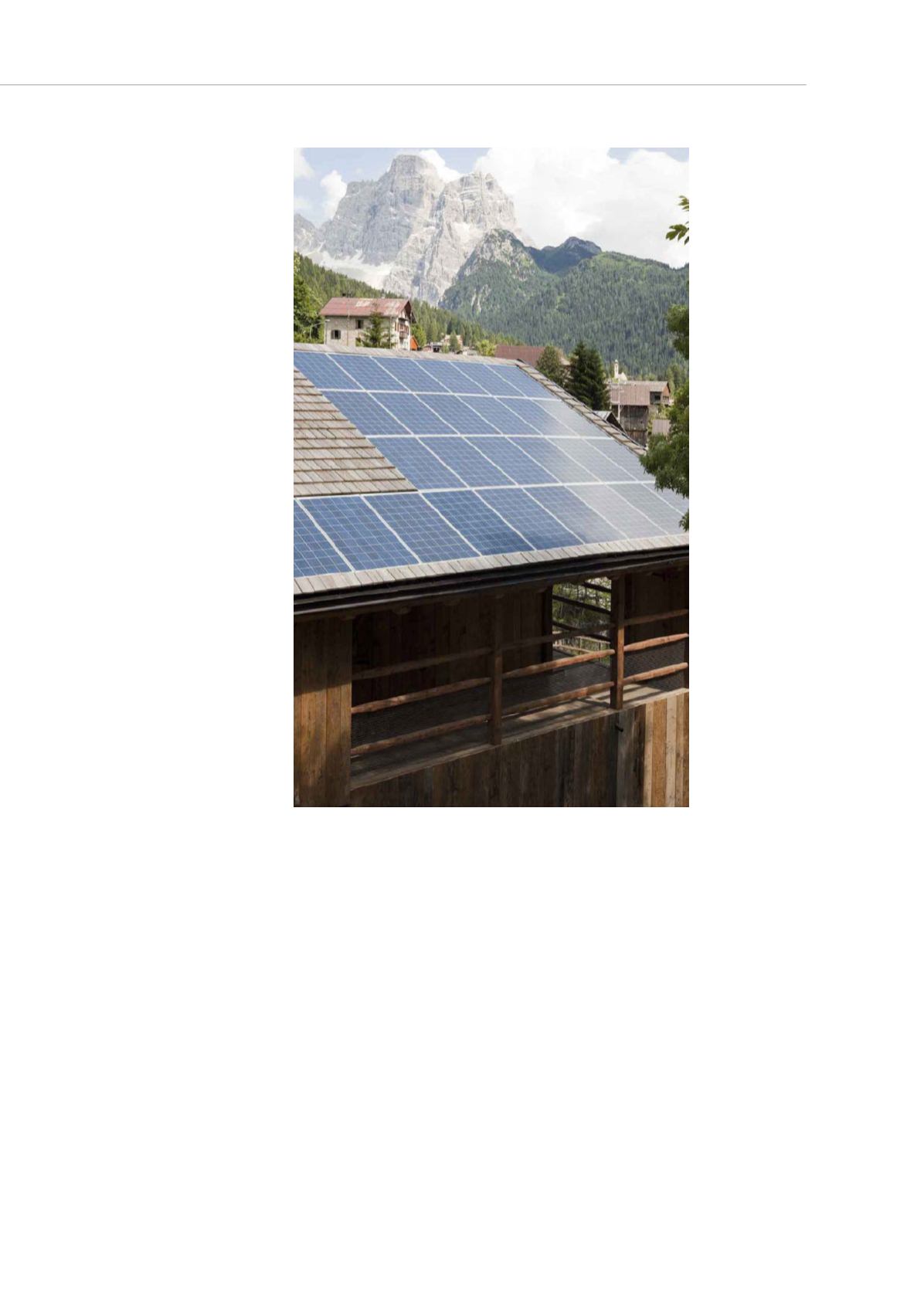
Figure 10: PV on building’s (listed site) / Energy self-sufficient tabià (retrofit), Selva di Cadore
(Belluno), IT, 2010, Design: EXiT. PV is part and parcel of the pre-existing wooden tilted roof. Tabià
are named old buildings (XVII century) used as a stable or barn, which characterize the agricultural
and pastoral architecture of the Selva di Cadore Valley in the landscape of the Italian Dolomites,
classified as a UNESCO World Heritage site. One of these buildings was renovated and transformed
into an energy self-sufficient holiday home thanks to PV, which supplies heat, hot water, cooking
systems and other electrical appliances. Picture ©T. Cos.
When it is not allowed to modify the building’s envelope (BAPV-Building Added PV or
BIPV-Building Integrated PV), then the solution can be the design of a sculptural
element, placed at a certain distance from the building, and in formal relationship with
the building itself. Such an approach at developing solutions for existing buildings does
uncover the need for more information and will in the near future include a new
understanding and possibly a new research into ways of elegantly establishing ways of
developing renewable energy catching systems for many kinds of preserved existing
buildings.


