P h o t o v o l t a i c s a n d ( N e a r l y ) N e t Z e r o E n e r g y B u i l d i n g s
309
Until now, in most such cases, the choice has been simple: ST to deliver heat and PV to
deliver electricity.
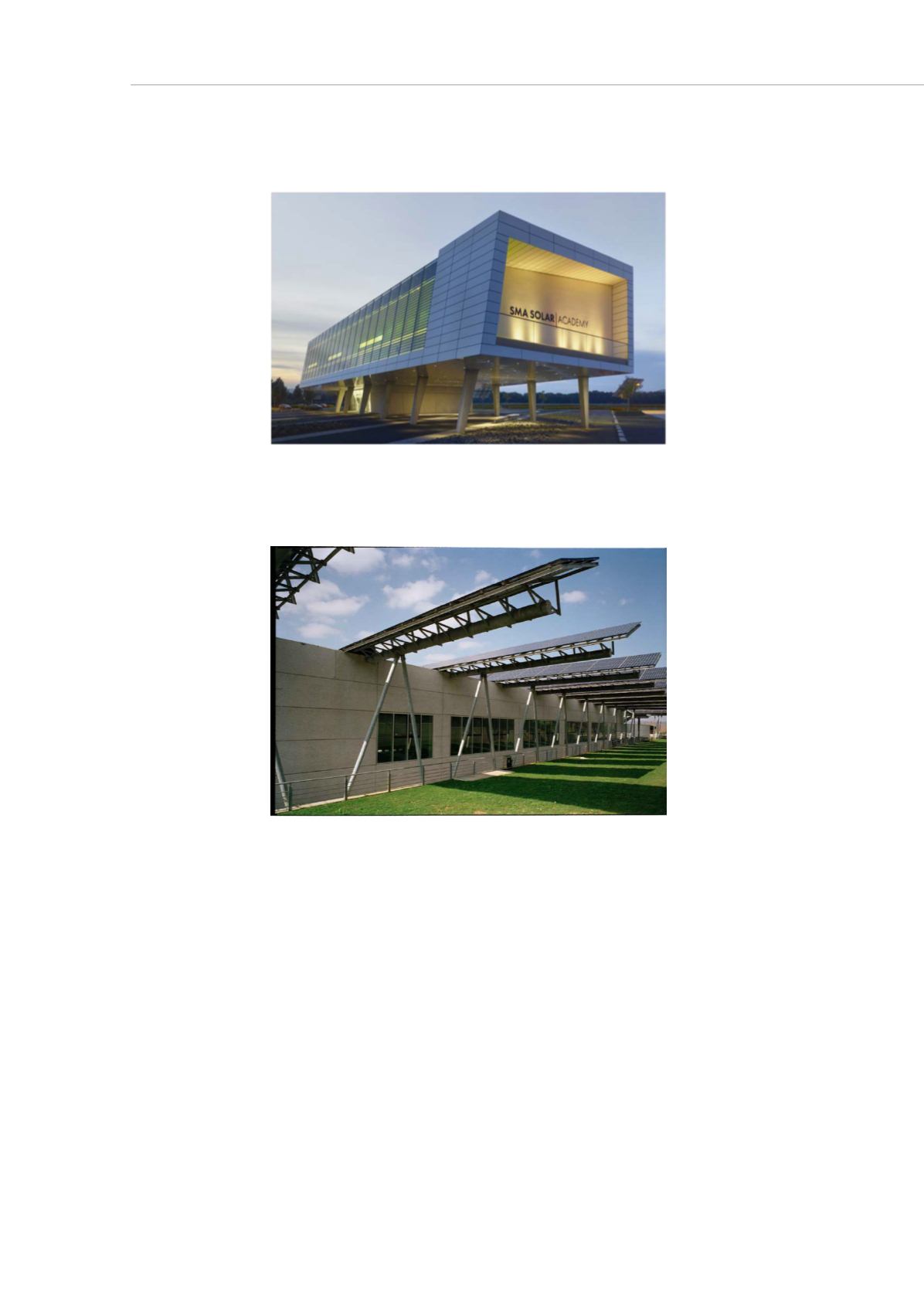
Figure 5: The “Solar Academy” in Niestetal (DE), design: HHS Planer + Architekten. The 1400 m²
building was built in 2010. The idea of an “island operation” increased the PV capacity. The
combination of façade, roof-top and on-site trackers ends in 152 kW
p
(complemented by a 70-kW
el
biogas CPH and a 230-kWh battery pack). Source: SMA, Constantin Meyer
Figure 6: Efficient building by a compact structure or more solar usable surface area? Rainbow
Headquarters, Loreto (IT), design: S. Bianchi & E. Straffi. PV modules are arranged as wings
hanging over from the building’s physical boundary. Picture © L. Filateci.
Nevertheless, in the future this standard approach might have to be reconsidered: it
might be more practical to deliver all energy from PV and rather use PV electricity in
combination with heat pumps to power the heating and cooling demand.
In table 3 a comparison between the energy production of PV and ST for different
locations in Europe is shown, and, also, the energy production of PV combined with heat
pumps. This solution is very effective, but it is worth to note that this implies additional
investments and operating costs (e.g. maintenance). Furthermore, very performing COP
value are possible only in the case of ground source heat pumps, whereas in most cases
the COP of air to water heat pumps is in the range of 1:2.5 ÷ 1:3.5.
The effectiveness of PV to power all the building’s energy demand can be increased by
using appropriate technical solutions, and coupling PV with other energy generation
systems (figure 5).
If we move from the energy perspective to the architectural one, the “all-electric
approach” has some advantages. Architects will find it easy handling only one type of
material (PV) instead of several ones (PV and ST), which should result in a system of


