L o w C o s t H o u s i n g R a t i o n a l D e s i g n M e t h o d s
377
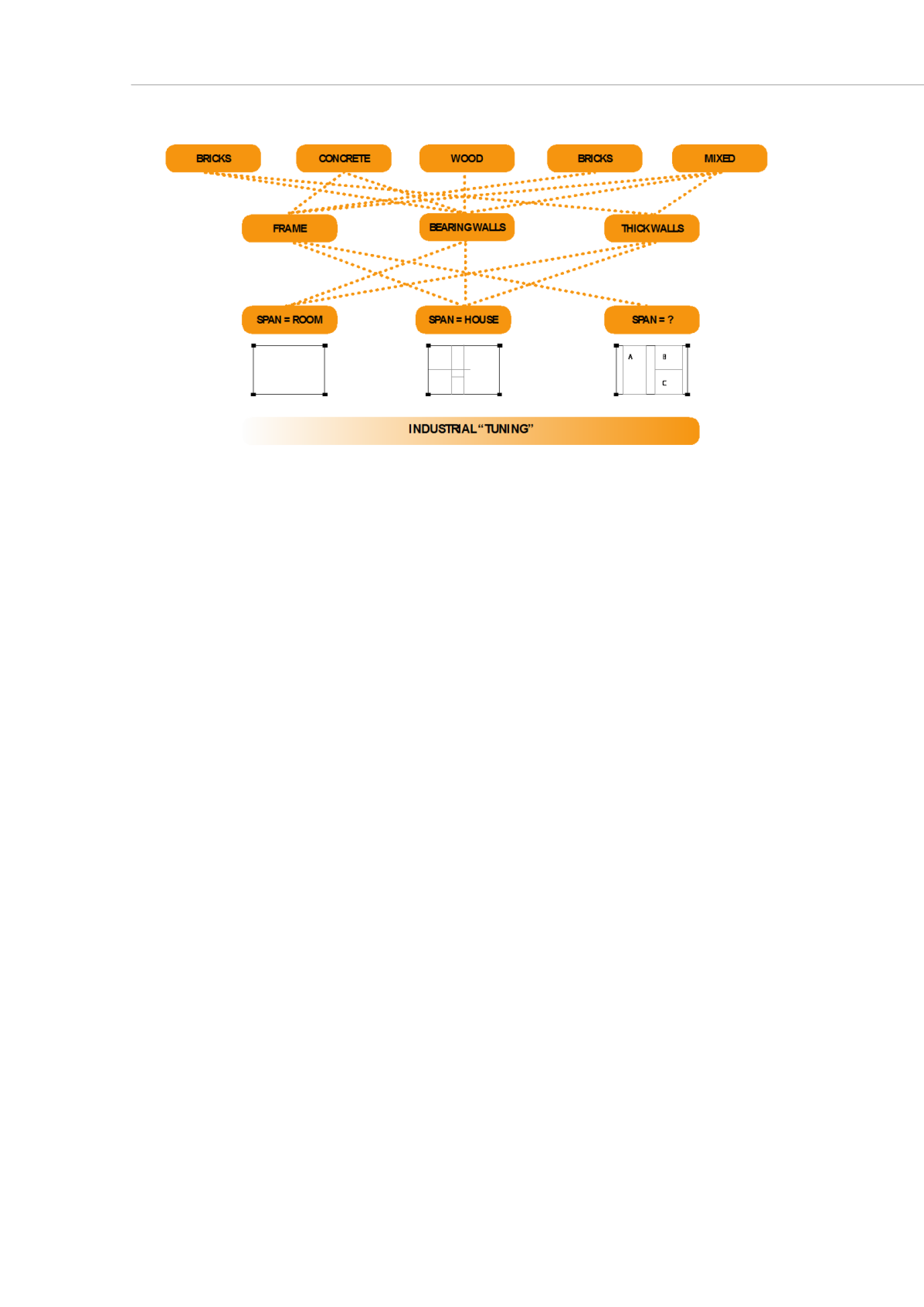
Figure 6: Construction systems and typologies
Assuming that each element, walls and floors, can have their own construction principle,
the structural systems can always be ascribed to two main families and their possible
combinations (Leupen & Mooij 2011):
o
monolith, in the case of load-bearing façade o dividing walls and solid floors;
o
skeleton, in the case of dom-ino skeleton o reticulated structures.
It is, on the one hand, obvious that each material has a clear implication on the
technological system, due to its physical characteristics; less obvious, however, on the
other hand, the connection between tectonic and typology, even more between tectonic,
typology and cost (economic, social and environmental).
Three are the possible solutions of the structural system, considering the implications on
the typology and the internal flexibility (Grecchi 2010):
o
frame, with pillars along a regular modular grid;
o
load-bearing walls, with structural spans coinciding with each house;
o
thick walls, with sequence of elements capable of accommodating furniture and
services.
Each of these solutions allows different layout of the living space, from a total flexibility in
the case of a frame structure with no relation between spans and internal divisions, to a
flexibility feasible only inside a single living space in the case of a structure coinciding
with the division walls, to a flexibility realizable only by adding units/rooms when the
structure coincide with room walls, achieving in this way an evolutive house.
It is the case of the on-going project in Milan of Stefano Boeri Architects –
case study 5
,
for 11 houses for 1.000 sqm. of total surface, addressed to singles, young couples,
students, elderly, in one word that needy that can not access the market. These future
users, involved from the very beginning of the project in the definition of needs, practice
a participatory planning process within a defined range of solutions to optimize the use.
The housing is realized with the X-Lam system, composed of complex elements, such as
load-bearing walls, walls already complete with windows, curtain walls and floors, dry
assembled on site. Each single house, therefore, is composed by adding units/rooms
chosen and composed by the users, with on the one hand the benefit of the
correspondence between needs and realization, while on the other hand the building is
unchangeable due to the coincidence between structural system and room: the


